


Neviditelná rovnátka, která nosíte od 12 hodin denně
Rovnátka, která si nasadíte, až přijdete domů.
Práce, škola, sport nebo čas s přáteli? Váš den patří vám. Rovnátka OrthoFX AirFlex stačí nosit jen od 12 hodin denně. Nasadíte si je po příchodu domů a sundáte, když odcházíte.



Technologie, která pracuje i tehdy,
Za AirFlexem stojí patentovaný materiál HyperElastic™, který díky jemnému a rovnoměrnému působení pomáhá posouvat zuby do požadované polohy a podporuje jejich stabilitu i během hodin bez rovnátek.
Více o technologii HyperElastic™ ↗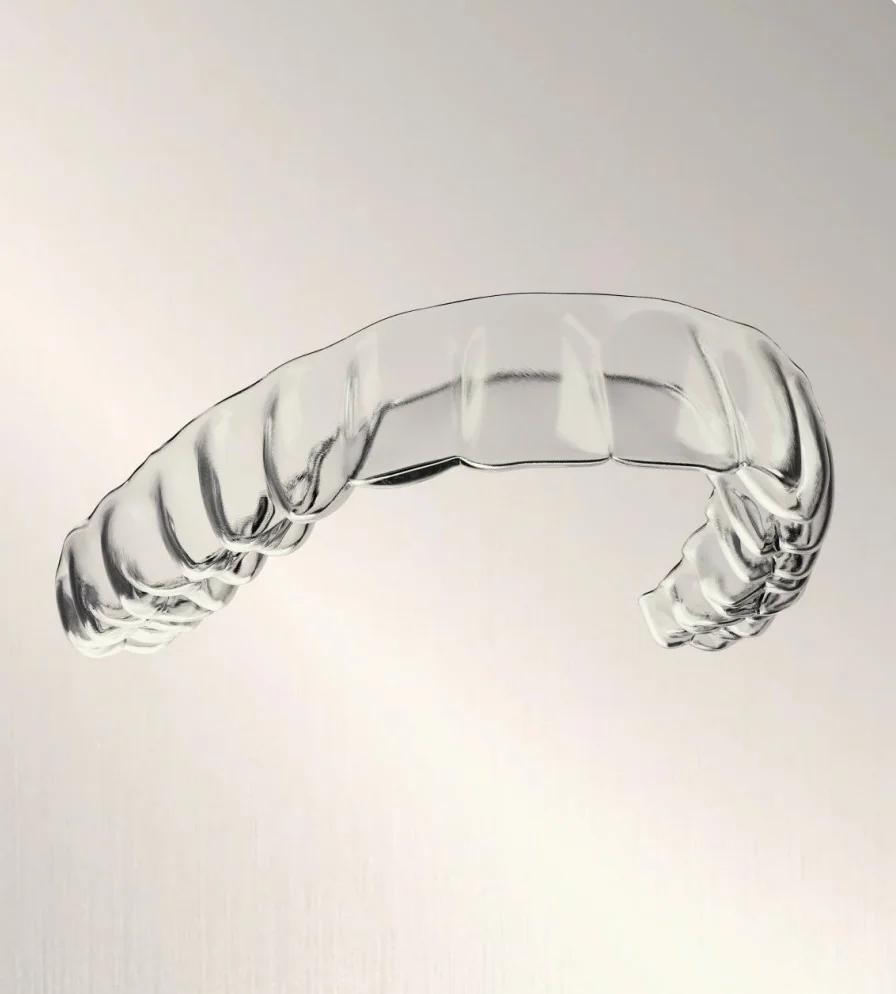
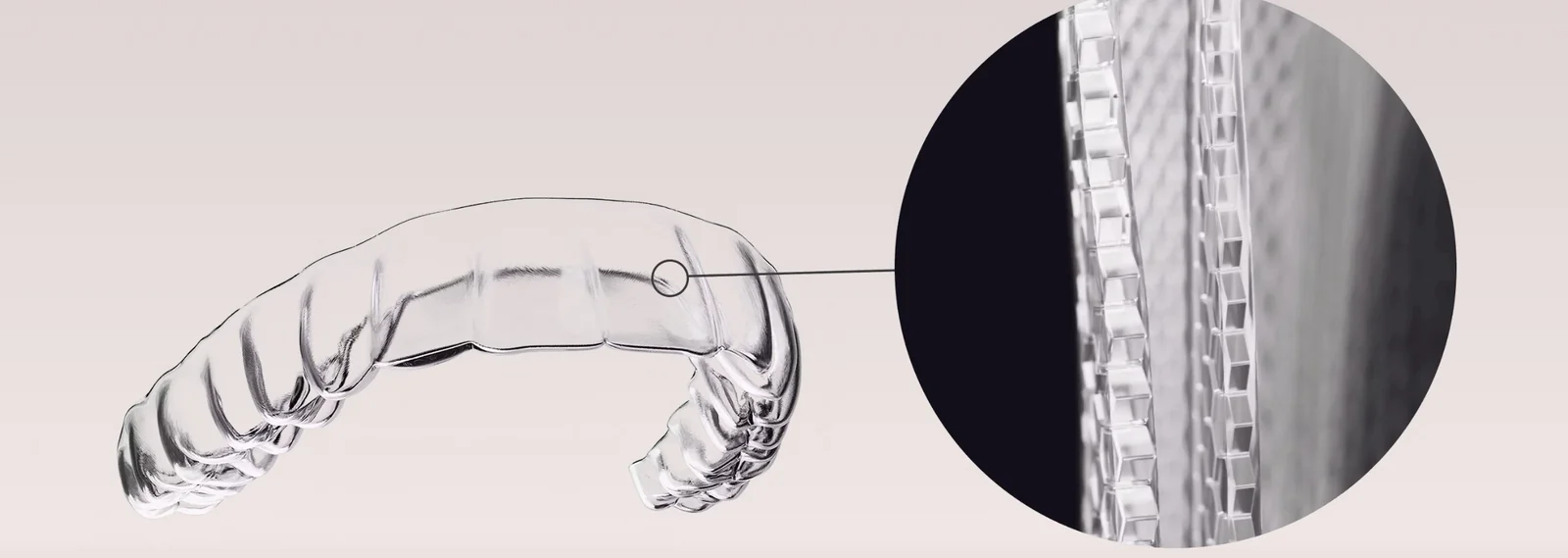
Vnitřní vrstva se přizpůsobuje tvaru vašich zubů a zajišťuje přesné usazení rovnátek.
Inovativní vícevrstvá struktura vytváří jemný, dlouhodobě rovnoměrný tlak pro pohodlnější rovnání zubů.
Namísto obvyklých 22 hodin u klasických neviditelných rovnátek.*
Ve srovnání s běžnými rovnátky.*
Kontinuální působení pro pohodlnější průběh léčby.
* Konkrétní režim nošení určí ortodontista.
Úsměv podle vašich představ,
Od ranní kávy přes školu, práci nebo oblíbené koníčky až po večerní odpočinek. S AirFlexem si užíváte den po svém a rovnátka nasazujete až doma.
Sundáte rovnátka, v klidu posnídate a vyrazíte do nového dne.
Oběd, káva nebo svačina. Dáte si, na co máte chuť, kdykoliv chcete.
Škola, práce, sport nebo přátelé. Věnujete se tomu, co vás baví.
Teď už jen zpomalit, udělat si pohodlí a nasadit rovnátka. Zatímco vy odpočíváte a spíte, AirFlex pracuje na vašem úsměvu.
Ilustrační den. Rovnátka nosíte nejméně 12 hodin v kuse, v jistých případech o něco déle. Přesný režim určí váš ortodontista.
Inovativní technologie.
AirFlex spojuje technologii společnosti OrthoFX s individuálním přístupem ortodontistů MILES. Každá léčba začíná posouzením vašeho chrupu a návrhem postupu, který odpovídá vašim potřebám.
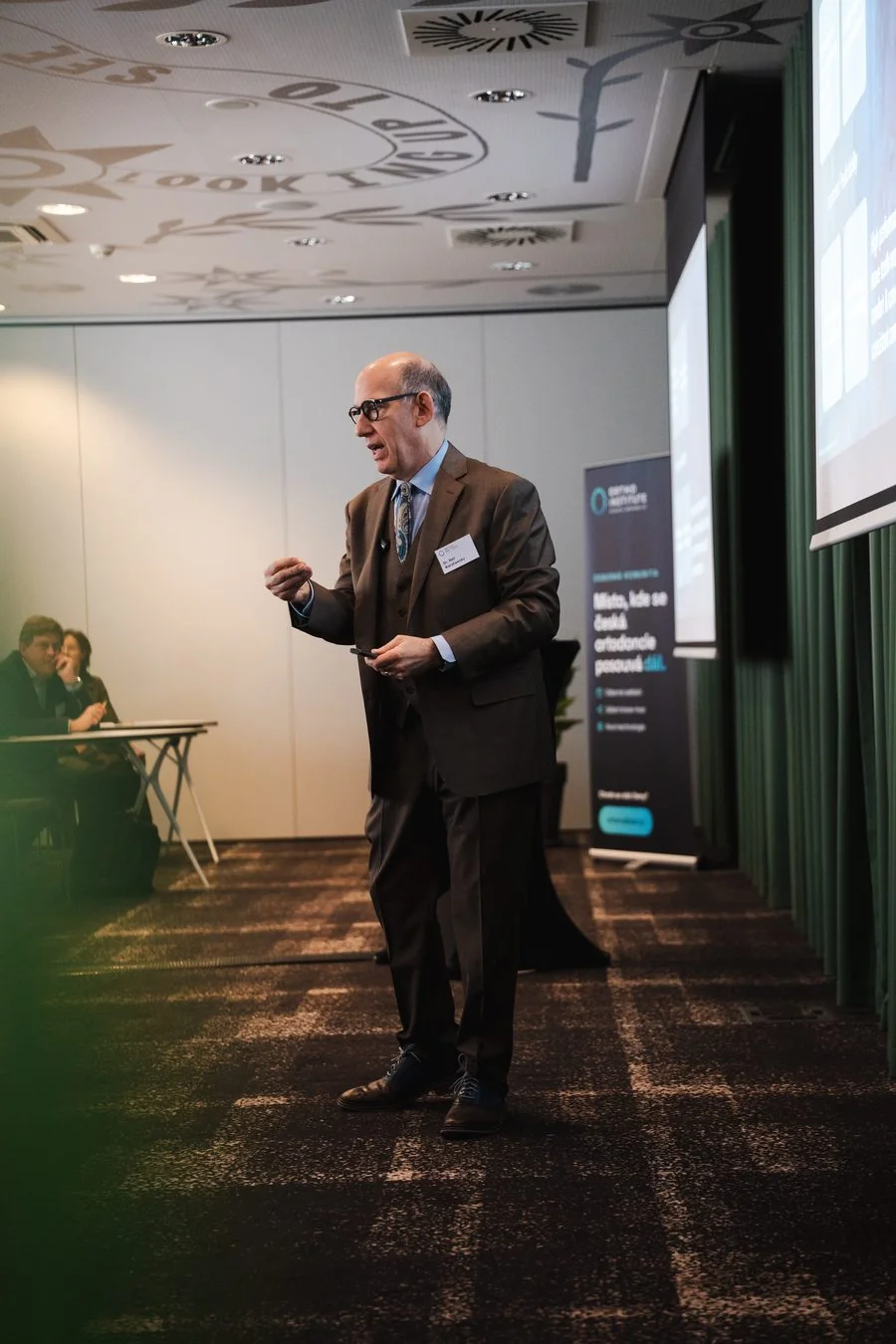
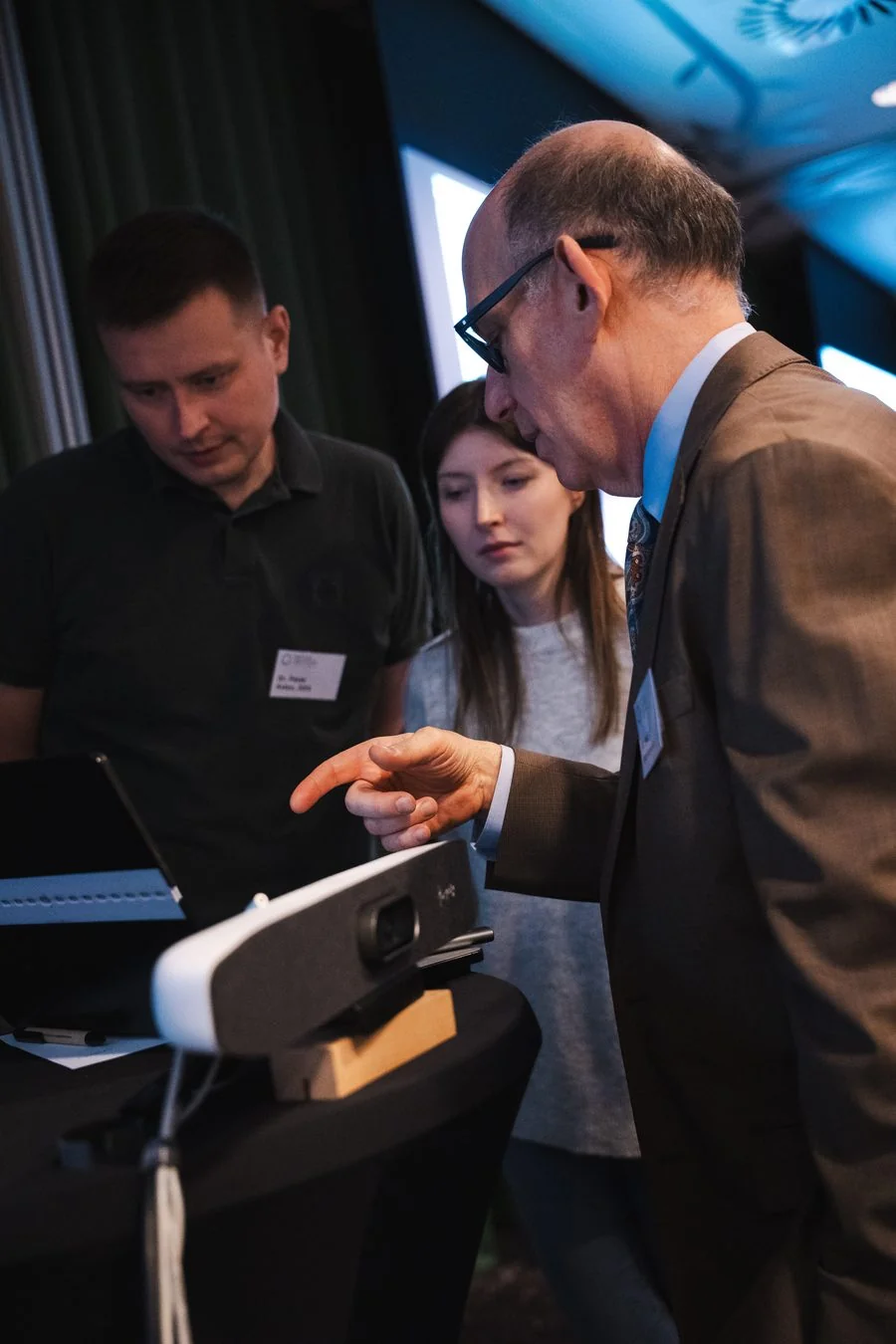
AirFlex byl českým ortodontistům představen na prvním setkání Ortho Institute v říjnu 2026. Přednášeli lékaři, kteří s ním denně pracují v USA.
Přečtěte si, co na setkání zaznělo →Proč nosit rovnátka celý den i noc, když nemusíte?
Objevte rozdíl mezi klasickými neviditelnými rovnátky a AirFlexem, který u vhodných případů stačí nosit už od 12 hodin denně, v pohodlí domova a přes noc.
*Režim od 12 hodin nepřetržitého nošení je vhodný pro vybrané případy. Některé fáze léčby mohou vyžadovat delší nošení. Konkrétní režim stanoví ortodontista.
Kolik stojí 12hodinová rovnátka
Kterou variantu potřebujete, určí ortodontista po 3D skenu na konzultaci zdarma.
Pro menší estetické úpravy a opětovné srovnání zubů.
Pro mírné vady, menší stěsnání a úpravu úsměvu.
Pro náročnější případy a rozsáhlejší posuny zubů.
Často se ptáte
What are the other programme benefits?
Clients receive a 30% discount on selected dental care products.
How is risk assessed?
Red – we decline the client for further treatment, orange – we set up a treatment plan, green – the client can move to the guarantee.
Is the programme suitable for everyone?
No. The programme is suitable for anyone who falls into the low or medium risk category. We do not offer the programme to clients with high risk.
What if I forget a check-up?
We will remind you. It is precisely the regularity that makes the programme work.
Do I need to be a MILES client?
Yes, the programme is available exclusively to clients of our branches and is only available with dental hygiene, or dental hygiene and whitening.
How does the guarantee work?
This is a unique programme that guarantees that, provided all conditions are met, no cavity will form on a previously untreated tooth. If a cavity does form despite this, the repair is covered by us at one of our partner dentists.
Is dental hygiene treatment painful?
Most clients describe dental hygiene as mildly sensitive but not painful. Sensitivity may be higher in people with gum inflammation, exposed tooth necks or heavy tartar build-up, especially at the first visit after a long interval. If you have sensitive teeth, a fear of pain or negative past experiences, please let us know in advance. If needed, we can use local anaesthesia or choose a gentler approach. With regular visits, sensitivity typically decreases significantly and subsequent treatments are much more comfortable for most clients.
What should I bring to dental hygiene?
Ideally bring all the tools you normally use in your home dental care routine – a toothbrush, interdental brushes, dental floss or a water flosser. The hygienist can check whether they are suitable for you and advise on how to use them correctly. If you don’t have any special tools, that’s fine – the hygienist will recommend the right types tailored to your tooth shape, gum condition and interdental spaces. The aim is for you to leave not only with clean teeth, but also with a clear plan for how to care for them properly at home.
How long does a dental hygiene treatment take?
A treatment takes approximately 50 to 60 minutes, depending on the condition of your teeth and the amount of tartar or pigmentation. Tartar is removed using ultrasound or hand instruments, surface stains are removed (e.g. from coffee, tea or smoking), interdental spaces are cleaned and teeth are polished. Individual instruction on correct home care is also included. For more complex cases or at a first visit, the treatment may take longer.
How often should I have dental hygiene?
We recommend dental hygiene every 6 months to keep your teeth and gums healthy long-term and to prevent cavities, gum inflammation or periodontitis. Some clients (such as smokers, people with periodontitis, wearers of braces or implants, or those with heavy tartar build-up) may benefit from more frequent visits, such as every 3 to 4 months. Regular dental hygiene not only helps maintain a beautiful smile but also prevents painful and costly procedures in the future. The hygienist will also advise you on how to care for your teeth at home.
How often will I need to come for check-ups?
Check-ups during invisible brace treatment are typically held once every 2 to 3 months, depending on the type of treatment and the individual plan. The doctor assesses whether the teeth are moving as planned, checks the condition of the teeth and adjusts next steps if needed. Compared to traditional fixed braces, check-ups are less frequent and less time-consuming. Regular check-ups help prevent complications, ensure correct aligner fit and maintain healthy gums and teeth throughout treatment.
When will I see the first treatment results?
You may notice the first visible changes in tooth position after just a few weeks of wearing the aligners regularly. More pronounced results typically appear within the first 2 to 3 months. With simpler corrections you could have significantly straighter teeth in around 6 months; more complex cases take longer (often 9–18 months). Thanks to digital planning and the Invisalign® system, you know in advance what result is achievable and how long treatment will take.
How long will I wait before treatment starts?
Treatment can usually begin approximately 4 weeks after the initial consultation. During this time, treatment is digitally planned, individual aligners are manufactured and any necessary preparation of the teeth takes place (dental hygiene, cavity treatment or minor bite adjustments). The exact time may vary according to case complexity and laboratory capacity. Once the braces are ready, we will arrange a fitting appointment and explain in detail how to wear and clean the aligners.
How many hours a day do I need to wear invisible braces?
Invisible braces (aligners, e.g. Invisalign®) need to be worn for approximately 20 to 22 hours a day for treatment to be effective and proceed according to plan. They are only removed for eating, drinking hot beverages and brushing teeth. The more diligently you wear the aligners, the more precisely your teeth move according to the digital plan. If you wear the braces for a shorter time, the treatment may be prolonged or additional aligner sets may need to be made.
What is included in the initial examination?
The initial examination includes comprehensive orthodontic and dental diagnostics as the basis for an individual treatment plan. It includes a 3D scan of the teeth using a modern intraoral scanner, X-rays (OPG or CBCT) and a detailed clinical examination by the orthodontist. The examination also reveals any complications that need to be addressed before fitting the braces.